
Let nature
heal itself.
#NatureFriendly #RiverbedSludge #SelfPurification #NitrogenPhosphorusReduction
SUBION · Super Bio On(plus)
SUBION.
Water quality technology using soil microbes — an environmental formula combining anaerobic, aerobic and facultative anaerobic microbes.
SUBION is our product name for a complex formula of native soil microbe species. Pure microbes cultured repeatedly on artificial media often lose much of their natural activity and are suppressed by the soil's indigenous microbes.
Uses
- Wastewater treatment2
- River & reservoir sediment20
- Farmland improvement1
- Livestock environment
- Compost catalyst (pig manure → soil conditioner)
BROST · Biological Reactor for Organic Sludge Treatment
BROST.
Biological treatment of organic sludge, reducing pollutants in three steps.
STEP 01 · Anaerobic
Anaerobic breakdown
Breaks down chain molecules of organic and harmful substances into smaller ones
STEP 02 · Aerobic
Aerobic oxidation
Uses oxygen to keep oxidizing the smaller substances
STEP 03 · Removal
Pollutant removal
Microbial reduction of organic matter
When NH₃-N (ammonia nitrogen), N (nitrogen) and P (phosphorus) build up, they create nutrients such as NO₂ (nitrite) and NO₃ (nitrate) that feed algae. At night, algae use dissolved oxygen and release CO₂, leaving fish short of oxygen. (Original)
BWAT-21 · Bio Reactor System
BWAT-21.
This bioreactor system is used in polluted rivers, reservoirs, and sewage and wastewater plants, and is designed to work at any biological treatment site.
Fields
Technology × Application.
| Technology \ Application | Wastewater / sewage plants | Rivers · reservoirs (sediment) | Farmland | Livestock environment | Compost catalyst | Organic sludge |
|---|---|---|---|---|---|---|
| SUBION | 2 › | 23 › | — | |||
| BROST | — | — | — | — | — | |
| BWAT-21 | 2 › | 23 › | — | — | — | — |
SUBION
BROST
- Organic sludge
Only uses stated on the original website are shown. "—" means the original does not mention it, not that it cannot be applied.
Wondering which technologies fit your site?Start a project ›Algae & odor removal
Algae and odor, from the root.
Phosphorus cycle
- Phosphorus exists as organic phosphorus, such as in proteins, and as inorganic phosphate
- Phosphate is divided into orthophosphate (PO₄³⁻) and polyphosphate
- Settled phosphorus is converted to soluble phosphorus by phosphorus-degrading microbes
- Orthophosphate strongly drives the growth of algae and aquatic plants
Treatment stages
- The very first step in breaking down pollutants is microbes
- Anaerobic microbes: break chain molecules into smaller ones
- Aerobic microbes: use oxygen to oxidize and remove them
- = Microbial reduction of organic matter
Keeping ecosystems in balance
- More than a million microbe species keep soil in balance
- They give soil its power to purify itself
- Eutrophication and chemical pollutants destroy that power
- Ecosystem balance is the ultimate measure of our technology
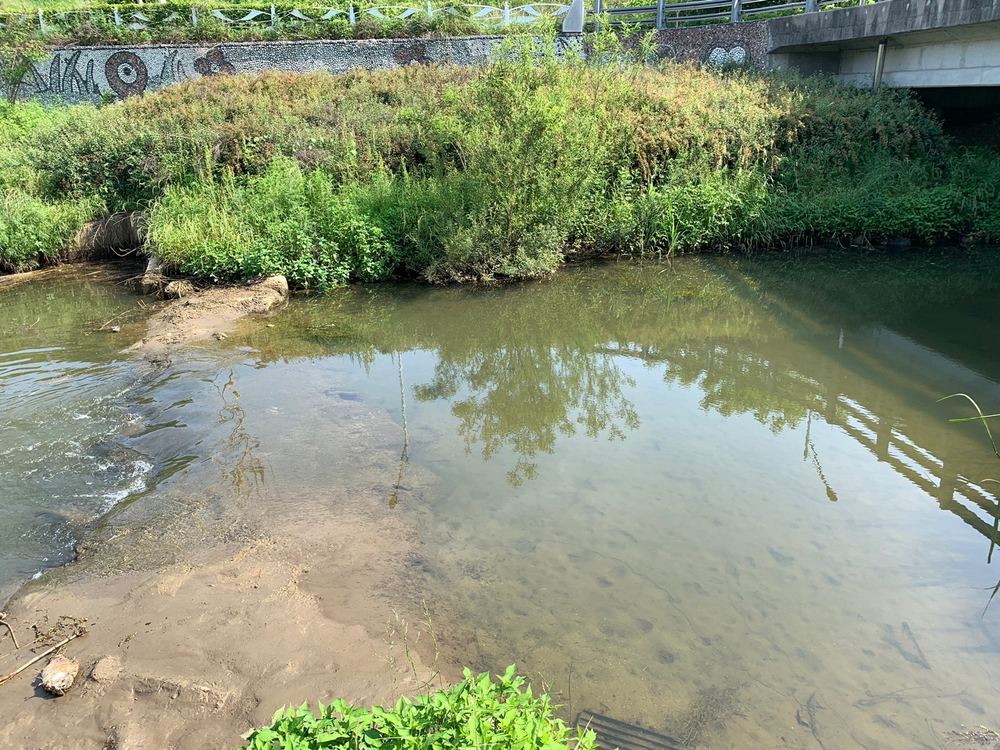
River · reservoir restoration
No dredging.
Clear from the bottom up.
We purify riverbed sludge in streams, rivers and reservoirs in a nature-friendly way, restoring their self-purifying power and removing organic sludge from the bottom without dredging.
Excerpted from the original message and vision pages. The original river and reservoir page has no body text.
Soil remediation
Restoring oil-contaminated soil.
Soil microbes convert harmful organic pollutants in soil into less toxic, less mobile forms. Oil-contaminated soil, made mainly of hydrocarbons, is permanently turned into harmless inert mineral residue or a habitat for microbial growth — restoring the soil and the balance of nature.
Livestock environment
Benefits by area.
Livestock farms (zoos)
- Odor removal for cattle, pig and poultry barns and zoos
- Breaks down manure on floors and walls
- Reduces pathogens from uric acid on the ground and prevents disease spread
- Promotes livestock growth
- Greatly reduces antibiotics and disinfectant use in barns
Feeders
- Regular use removes odor and keeps feed troughs free of residue and flies
- Boosts immunity and digestion
- Prevents skin disease
Overall barn benefits
- Better barn conditions and fewer illnesses among workers
- Less barn odor, and less skin disease, especially in pigs
- Less feeder odor; fewer flies and mosquitoes
- Fewer digestive problems (constipation, diarrhea) and lower young-animal mortality
- Manure composting and odorless organic liquid fertilizer
- Lower costs by turning manure into a resource
- Higher income for organic farms
- Spraying broiler floors reduces respiratory disease from ammonia
- More broilers shipped and produced
- Better feed efficiency and shorter growing time